
At Valley Oral and Maxillofacial Surgery in Little Rock, Dr. Thomas Inman Jr. provides corrective jaw surgery for patients with functional or structural concerns that affect chewing, speech, and facial balance. His extensive surgical training in oral and maxillofacial procedures ensures that each case is planned and performed with precision, safety, and long-term stability in mind.
Jaw surgery, or orthognathic surgery, is often recommended when the upper and lower jaws do not align properly or when skeletal irregularities interfere with function or appearance. Dr. Inman works closely with patients and their orthodontists to achieve results that restore natural balance and comfortable bite alignment.
When Jaw Surgery Is Recommended
Corrective jaw surgery may be appropriate for patients experiencing:
- Difficulty chewing, biting, or swallowing
- Jaw pain or TMJ dysfunction
- Open bite or underbite
- Facial asymmetry or imbalance
- Speech issues caused by jaw alignment
- Chronic mouth breathing or sleep-related airway obstruction
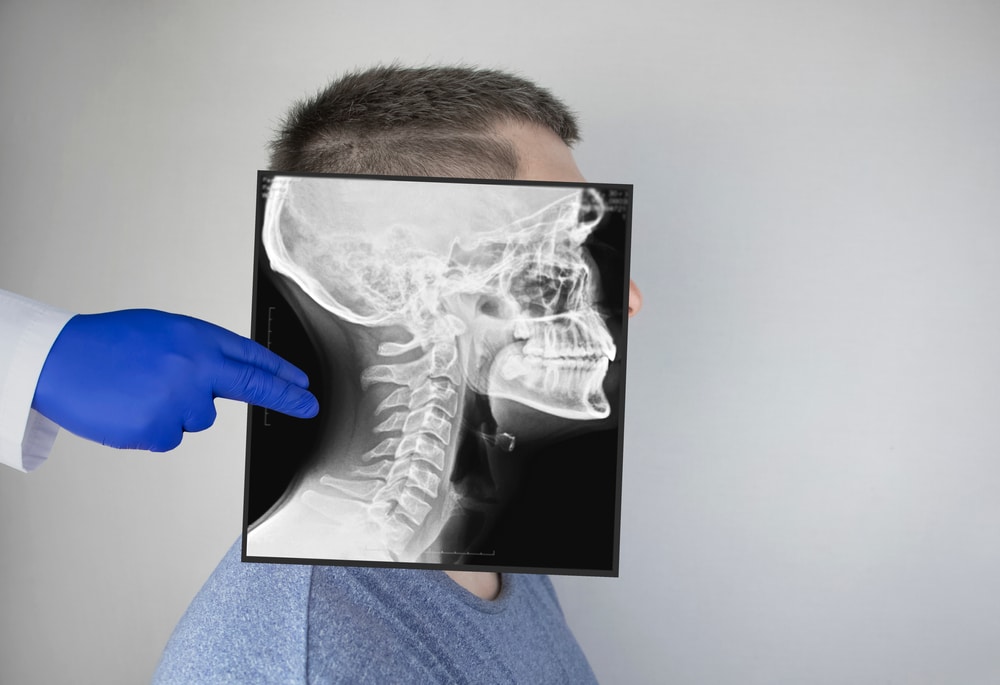
Facial balance and harmony are guided by well-established anthropometric norms—measurable relationships between the jaws, teeth, and facial features that contribute to both function and pleasing appearance. As a formally trained oral and maxillofacial surgeon, Dr. Inman is trained to recognize deviations from these norms and understand how they affect bite, breathing, speech, and facial balance. Using advanced digital imaging and virtual surgical planning, jaw surgery can be precisely planned to correct these discrepancies, allowing for accurate, predictable, and individualized outcomes.
Evaluation and Treatment Planning
Every patient begins with a comprehensive consultation, including a detailed examination, photographs and 3D imaging with Cone Beam CT technology. This imaging allows Dr. Inman to visualize the skeletal structure and plan surgical movements precisely.
A collaborative treatment plan is then created, often in coordination with an orthodontist, to align the teeth and jaw properly. This step-by-step approach ensures that both surgical and orthodontic elements work together for optimal outcomes.
What to Expect During Jaw Surgery
Due to Dr. Inman’s modern training internal skeletal fixation techniques, post operative maxillomandibular fixation (jaw wired shut) is almost never required. Patients are usually on a pureed diet for 1-2 weeks then advanced to soft non chew diet and finally to normal diet by 6 weeks.
After surgery, patients typically undergo a short recovery period followed by orthodontic refinement to finalize bite positioning. Throughout the process, Dr. Inman and his team provide ongoing follow-up and support to ensure healing and comfort.
Benefits of Corrective Jaw Surgery
Beyond improving bite function, jaw surgery often enhances overall facial proportions and balance. Additional benefits may include:
- Reduced strain on jaw joints and muscles
- Improved breathing and speech function
- Enhanced appearance through better alignment
- Long-term stability of dental and skeletal structures
Why Choose Valley Oral and Maxillofacial Surgery
Patients in Little Rock trust Valley Oral and Maxillofacial Surgery for jaw procedures that combine surgical accuracy with compassionate care. The practice offers:
- Cone Beam CT–guided planning and 3D modeling
- Collaboration with orthodontic specialists for comprehensive outcomes
- Sedation and anesthesia options for comfort and safety
- Convenient location near Pleasant Valley Golf Course Off I-430
- Treatment directed by a hospital trained Oral and Maxillofacial Surgeon with extensive hospital-based experience
Contact Valley Oral and Maxillofacial Surgery
Jaw alignment issues can affect more than appearance—they impact comfort and function every day. To schedule an evaluation or learn more about corrective jaw surgery, contact Valley Oral and Maxillofacial Surgery in Little Rock at (501) 444-2429.